Bottom Line
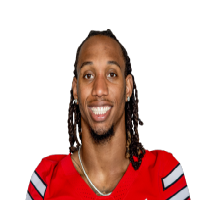
27th-percentile production model meets surprising third-round capital (Pick 75) to a Miami WR room missing 195 targets and a clear alpha — the athletic profile is real but the YPRR-over-expected score (5th percentile) is the kind of red flag that historically buries Day 2 receivers. Fade at cost in the 3rd round of rookie drafts; he's a late-round dart, not a pick.
Team Fit & Opportunity
Miami used a third-rounder on Douglas into a WR room headlined by Jalen Tolbert, Tutu Atwell, Theo Wease, and Malik Washington — none of whom project as locked-in long-term starters. With 195 vacated targets and a quarterback room of Malik Willis and a questionable Quinn Ewers, the opportunity is genuine but the offensive ecosystem has cratered. Douglas's size (6'4"/206) gives him a clear X/red-zone niche Tolbert hasn't claimed, but he'll fight Wease for the same archetype role early.
Talent Profile
Douglas is the textbook "athlete first, receiver second" profile dynasty managers either chase or avoid. The 4.39 at 6'4" is legitimately rare and explains the 79th-percentile athleticism score, but a 7.8 RAS (mediocre agility/jumps drag it down) and 31.5" vert mean he's a long-strider, not a leaper. The damning input is YPRR over expected at the 5th percentile — given his usage and target quality at Texas Tech, he produced well below baseline. WR21 in this class on the model, with route versatility (63rd) the lone receiver-skill bright spot.
Strengths
- Vertical/X-receiver build-speed combo: 6'4"/206 with sub-4.40 wheels is a top-of-class size-adjusted speed score and gives him a Day-1 sideline/9-route role.
- Third-round NFL capital: Pick 75 to Miami means guaranteed roster spot and 2-3 years of runway regardless of year-1 output — capital matters in dynasty.
- Route versatility sub-score (63rd percentile): suggests he was asked to do more than just go deep, giving offensive coordinators a wider route tree to develop.
Concerns
- 5th-percentile YPRR over expected: the single most predictive efficiency metric for WRs, and his is bottom-tier — he was inefficient on the targets he saw against college defenders.
- 17th-percentile production score on a pass-heavy Texas Tech offense: if you can't dominate the Big 12 air raid, the NFL bar is steep.
- Quarterback environment: Willis/Ewers is among the worst projected QB rooms in the league; target quality and scoring ceiling are both suppressed.
Historical Comp Read
Malik Knowles (4% model) and Kawaan Baker (2% model) are the top comps, and both washed out without an NFL target of note — these are size/speed athletes whose production red flags translated. Jared Wayne and KeAndre Lambert-Smith track the same outcome. The comp signal is loud and bad: tall/fast Day-3-caliber producers who got drafted on traits rarely hit. Douglas's third-round capital is the only meaningful divergence from this cohort.
Outlook
Year-1 expectation is WR5/6 on the depth chart with sporadic deep-shot usage — think 25-35 targets, WR80+ finish, undraftable in redraft. Three-year ceiling is a low-end WR3 if he develops a route tree and Miami stabilizes at QB; floor is off rosters by 2027 as the comp profile suggests. The catalyst is a Tolbert injury plus a real QB upgrade. The trigger that collapses him is the YPRR profile carrying over — efficiency rarely improves at the next level.